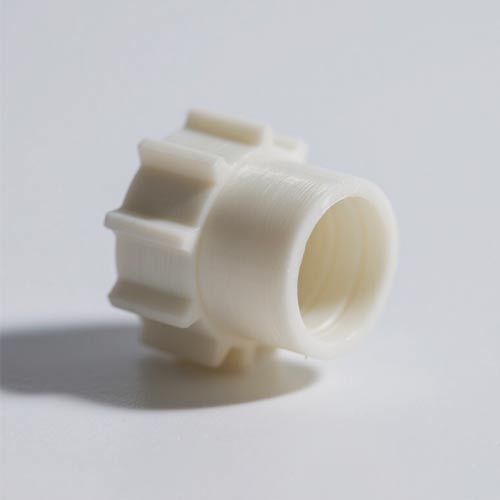
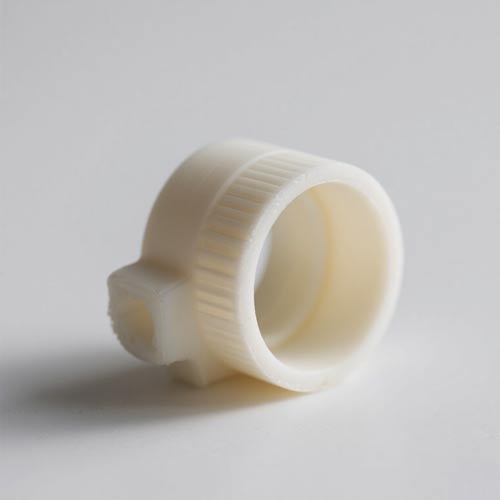
In a world increasingly conscious of environmental impact, polylactic acid (PLA) has emerged as a shining star among plastics. Derived from renewable resources like corn starch or sugarcane, it’s often hailed as the “eco - friendly alternative.” But when it comes to injection molding, a common question lingers: can PLA be molded into the countless products we need? The answer is a resounding yes, and the journey of transforming PLA through injection molding is as fascinating as it is crucial for a sustainable future.
PLA isn’t just another plastic; it’s a game - changer. It boasts properties that make it a worthy competitor to traditional plastics. With good mechanical strength, decent heat resistance, and excellent printability, it’s already making waves in 3D printing. But its potential in injection molding is where things really get exciting. It offers a sustainable solution for industries looking to reduce their carbon footprint, from packaging to consumer goods. However, molding PLA isn’t without its challenges, and understanding them is key to unlocking its full potential.
PLA is like a diva when it comes to temperature. It has a relatively low melting point, typically around 160 - 180°C. If the temperature during injection molding gets too high, PLA starts to degrade rapidly. It’s like a delicate flower wilting in the scorching sun. Overheating can lead to discoloration, a foul smell, and a significant drop in mechanical properties, turning your potentially perfect product into a subpar mess.
PLA is hygroscopic, meaning it loves to absorb moisture from the air. When wet PLA enters the injection molding machine, it’s a recipe for disaster. Moisture causes the plastic to foam and develop voids during the melting process, resulting in parts with poor surface quality, reduced strength, and even structural failures. It’s as if the PLA is throwing a tantrum, ruining the entire molding process.
During the cooling process, PLA has a tendency to shrink and warp. Uneven cooling rates can cause parts to twist, bend, or distort out of shape. This is a nightmare for manufacturers aiming for precision - made products. Whether it’s a complex electronic component or a simple plastic container, warped parts are often rejected, leading to wasted materials and increased production costs.
Barrel Temperature: Set the barrel temperature carefully within the optimal range of 170 - 190°C. Start with a lower temperature at the hopper end (around 170°C) to gently preheat the PLA pellets and gradually increase it towards the nozzle (up to 190°C) to ensure smooth melting without overheating. Use a high - quality temperature controller with precise sensors to monitor and maintain the temperature throughout the process.
Mold Temperature: Keep the mold temperature relatively low, typically between 30 - 60°C. A cooler mold helps the PLA solidify quickly, reducing the chances of warping. However, make sure the temperature isn’t too low, as it can cause the material to cool too rapidly, resulting in internal stresses and potential cracking.
Pre - drying: Before injection molding, pre - dry the PLA pellets at a temperature of around 60 - 80°C for 4 - 6 hours. This is like giving the PLA a good “hairdryer” treatment, getting rid of any unwanted moisture. You can use a dedicated desiccant dryer to ensure thorough drying. Store the dried pellets in a sealed container until ready to use to prevent them from reabsorbing moisture from the air.
Humidity - controlled Environment: Consider operating in a humidity - controlled environment, especially in areas with high humidity. This can significantly reduce the risk of PLA absorbing moisture during the molding process. Install dehumidifiers in the production area if necessary.
Uniform Cooling: Design the mold with an efficient and uniform cooling system. Use well - distributed cooling channels to ensure that the PLA cools evenly across all parts of the mold. You can also use a mold temperature controller to regulate the cooling water temperature precisely. This helps to minimize internal stresses and prevent warping.
Proper Part Design: Optimize the part design to reduce the likelihood of shrinkage and warping. Avoid thick - walled sections and sharp corners, as these areas are more prone to uneven cooling. Instead, use gradual transitions and fillets. Additionally, adding ribs or 加强筋 can enhance the structural integrity of the part and reduce the impact of shrinkage.
Not all PLA is created equal. Different grades of PLA have varying properties, such as melt flow index, strength, and heat resistance. Select a grade that is specifically formulated for injection molding. Some PLA grades come with additives or modifiers that improve its processability, reduce shrinkage, or enhance heat resistance. Do thorough research and consult with material suppliers to find the best - suited PLA grade for your specific application.
With these solutions in hand, the possibilities for injection - molded PLA are endless. From creating sustainable packaging that replaces single - use plastics to manufacturing stylish consumer goods that are both eco - friendly and functional, PLA is set to revolutionize industries. As more companies embrace green manufacturing practices, injection - molded PLA products will become increasingly common, making a significant contribution to a cleaner, greener planet. So, the next time you wonder about the potential of PLA in injection molding, remember that with the right approach, this green plastic star can shine brightly in the world of manufacturing.


